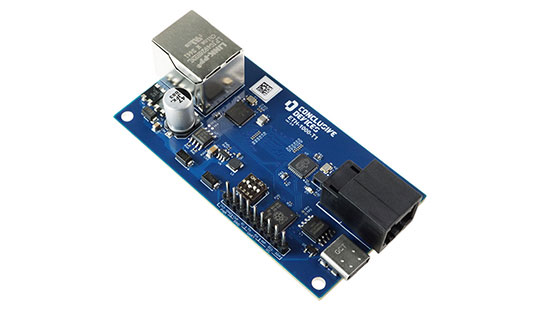
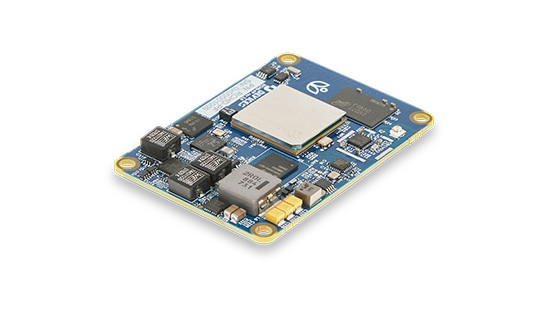
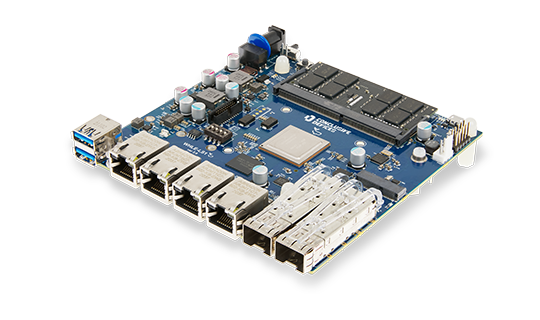
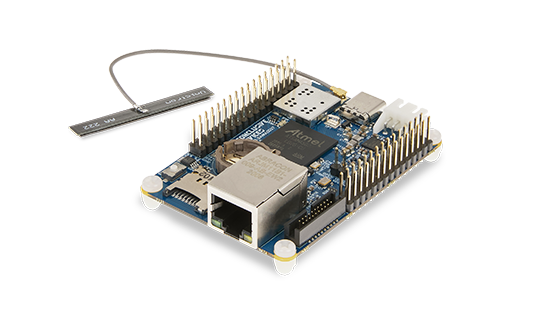
A Single Board Computer (SBC) is a complete computer built on a single printed circuit board (PCB), integrating the processor, memory, storage interfaces, and input/output (I/O) components into a compact, self-contained system. Unlike traditional desktop computers, which rely on multiple interconnected components, SBCs are designed for space efficiency, low power consumption, and embedded applications.
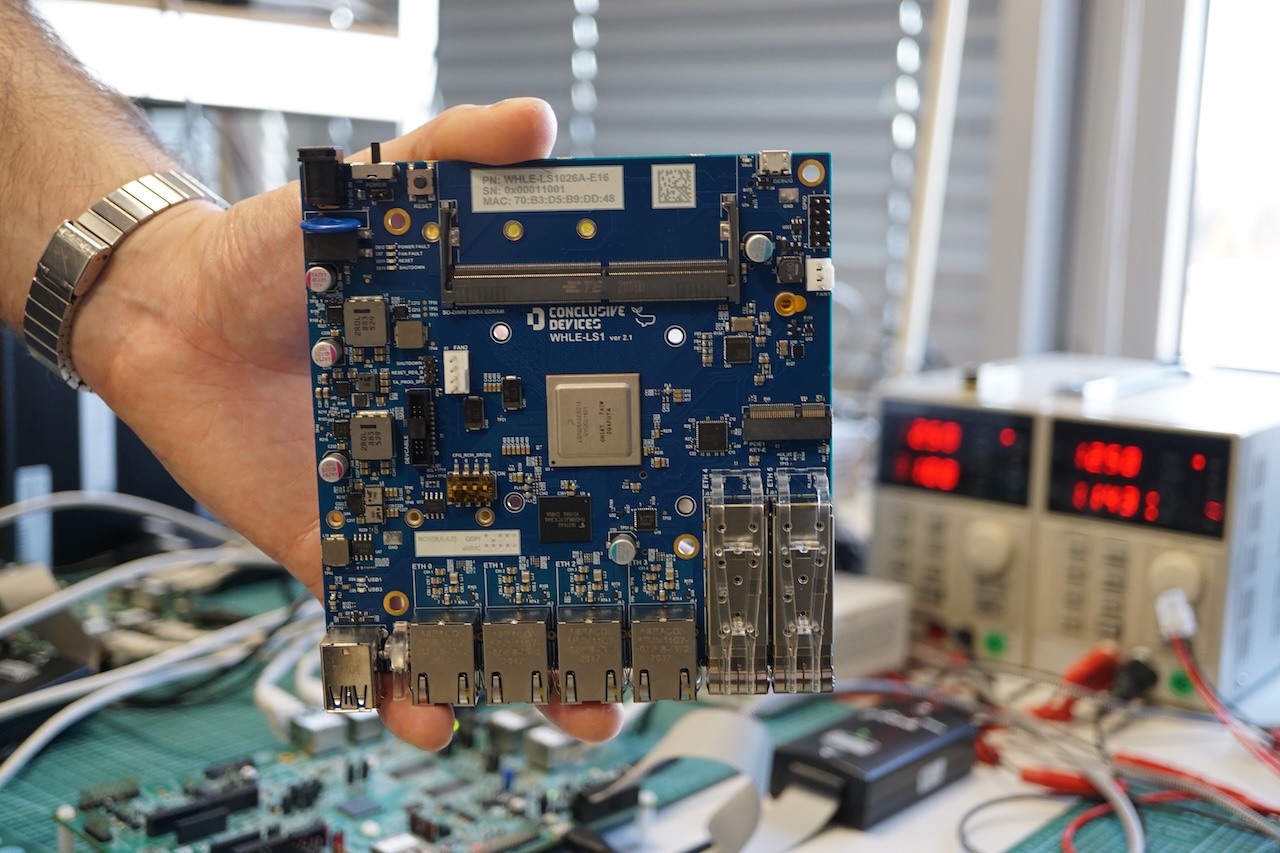 Conclusive Engineering WHLE-LS1 Single Board Computer
SBCs play a critical role in modern product development, particularly in embedded systems, IoT devices, and edge computing solutions. They enable engineers to rapidly prototype and deploy computing functionality in environments where size, cost, and reliability are key constraints. From industrial automation controllers to medical devices and automotive systems, SBCs provide a flexible and scalable platform for innovation.
Conclusive Engineering makes robust electronic hardware ready for demanding applications.
Shop Single Board ComputersTechnical Explanation: How a Single Board Computer Works
At its core, a Single Board Computer integrates all essential computing components onto a single PCB. The architecture typically includes:
Key Components of an SBC
- Processor (CPU or SoC)
Most SBCs use a System-on-Chip (SoC), combining CPU, GPU, and sometimes AI accelerators into a single package.
- Memory (RAM)
Integrated directly onto the board, typically LPDDR or DDR variants.
- Storage Interfaces
Options include eMMC, SD cards, or onboard flash memory.
- I/O Interfaces
GPIO, UART, SPI, I2C, USB, Ethernet, HDMI, and sometimes CAN or PCIe.
- Power Management
Voltage regulation and power distribution circuits optimized for low consumption.
- Connectivity Modules
Optional Wi-Fi, Bluetooth, or cellular connectivity.
Operating Systems and Software
Unlike microcontrollers, SBCs typically run full operating systems, such as:
- Linux (most common in embedded Linux systems)
- Android (for consumer devices)
- RTOS (in specialized real-time applications)
This allows developers to leverage high-level programming languages, networking stacks, and complex software frameworks.
Performance Considerations
SBC performance depends on:
- CPU architecture (ARM vs x86)
- Number of cores
- Clock speed
- Memory bandwidth
- Hardware acceleration (e.g., GPU, NPU)
However, performance must always be balanced with thermal constraints and power budgets, especially in industrial or automotive environments.
Typical Challenges
Engineers working with SBCs often encounter:
- Thermal management issues in compact enclosures
- Long-term availability risks (consumer SBCs vs industrial-grade boards)
- Real-time limitations when using a general-purpose OS
- Integration complexity when combining with custom hardware
These challenges often require careful hardware design and firmware optimization.
Applications & Industry Relevance
Single Board Computers are widely used across multiple industries due to their versatility.
1. Industrial Automation
In industrial environments, SBCs are used for:
- Machine control systems
- Human-machine interfaces (HMIs)
- Edge gateways for data aggregation
- Their ability to run Linux and support industrial protocols makes them ideal for Industry 4.0 deployments.
2. Internet of Things (IoT)
SBCs act as edge devices that:
- Collect sensor data
- Process information locally
- Communicate with cloud platforms
They are commonly used in:
- Smart home hubs
- Predictive maintenance systems
- Environmental monitoring devices
3. Automotive Systems
In automotive applications, SBCs support:
- Infotainment systems
- Advanced driver-assistance systems (ADAS) prototyping
- Telematics units
Automotive-grade SBCs must meet strict standards for temperature, vibration, and reliability.
4. Medical Devices
SBCs enable:
- Portable diagnostic systems
- Patient monitoring devices
- Imaging interfaces
Here, reliability and compliance (e.g., IEC 60601) are critical.
5. Consumer Electronics
Examples include:
- Smart displays
- Streaming devices
- DIY development platforms (e.g., Raspberry Pi)
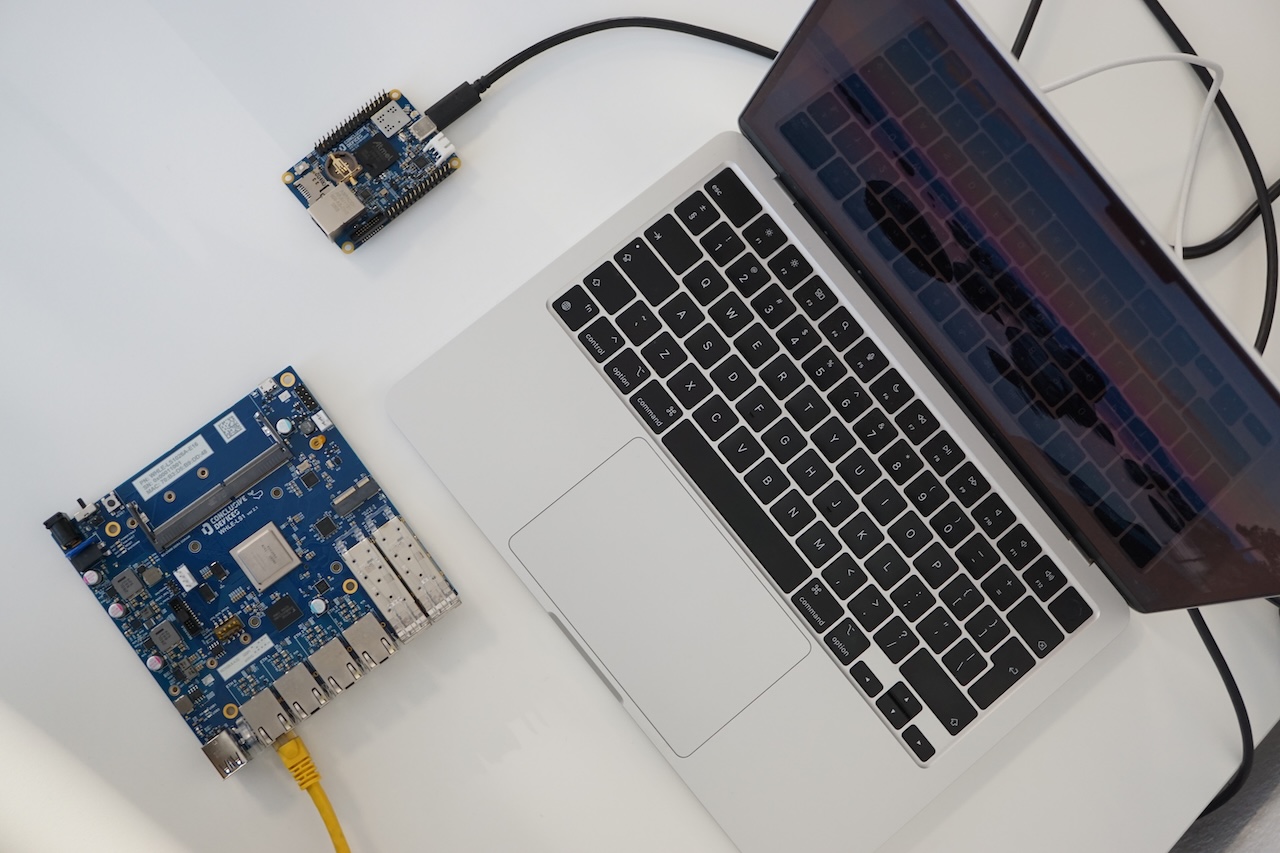 Conclusive Engineering Single Board Computers.
SBC vs Microcontroller vs System on Module (SoM)
Understanding where SBCs fit requires comparing them with related technologies.
SBC vs Microcontroller (MCU)
| Feature | SBC | MCU |
| OS | Full OS (Linux, Android) | Bare-metal or RTOS |
| Performance | High | Low to moderate |
| Power Consumption | Higher | Very low |
| Use Case | Complex applications | Real-time control |
Key takeaway: Use an MCU for deterministic, real-time tasks. Use an SBC for complex processing and connectivity.
SBC vs System on Module (SoM)
| Feature | SBC | SoM |
| Integration | Fully integrated | Requires a carrier board |
| Flexibility | Limited hardware customization | Highly customizable |
| Time-to-market | Fast | Moderate |
| Production suitability | Prototype / low volume | Scalable production |
Best practice: Use SBCs for prototyping and early development, then transition to a System on Module (SoM) with a custom carrier board for production.
Read also: What Is a System on Module?
Best Practices for Using SBCs in Product Development
To effectively use SBCs in professional environments:
1. Choose Industrial-Grade Hardware
Consumer SBCs may not guarantee:
- Long lifecycle availability
- Stable supply chains
- Environmental robustness
- Industrial SBCs provide better reliability and support.
2. Plan for Thermal Management
- Use heat sinks or active cooling
- Validate performance under worst-case conditions
- Simulate thermal behavior early in design
3. Optimize Software Stack
- Strip unnecessary services from Linux
- Use lightweight distributions (e.g., Yocto-based systems)
- Ensure secure boot and OTA update mechanisms
4. Consider Real-Time Requirements
If your application requires deterministic timing:
- Use a real-time Linux kernel (PREEMPT_RT)
- Offload critical tasks to a microcontroller
5. Prepare for Production Transition
SBCs are excellent for prototyping, but:
- Evaluate migration to custom hardware
- Ensure compliance with certifications (CE, FCC, etc.)
- Design for manufacturability (DFM)
Develop single board computers and other electronic hardware with Conclusive Engineering.
Order Electronic Design ServicesCommon Mistakes and Pitfalls
Frequent errors engineers make:
- Using consumer SBCs in industrial products. Leads to supply chain and reliability issues.
- Ignoring power consumption constraints. Causes overheating and instability.
- Overestimating real-time capabilities. Results in missed deadlines in control systems.
- Neglecting security. Leaves devices vulnerable to attacks.
- Skipping hardware validation. Causes failures in harsh environments.
FAQs: Single Board Computers
What is the difference between an SBC and a desktop computer?
An SBC integrates all components onto a single PCB, while a desktop uses modular components (CPU, RAM, GPU, etc.) connected via a motherboard.
Are SBCs suitable for production systems?
Yes, but typically only industrial-grade SBCs or custom SoM-based designs are used in production due to reliability and lifecycle requirements.
Can SBCs run real-time applications?
They can, but not natively. Real-time performance requires:
- Real-time Linux patches
- Additional microcontrollers for critical tasks
How do SBCs support edge computing?
SBCs process data locally, reducing latency and bandwidth usage, which is critical in edge computing architectures.
Conclusion
A Single Board Computer (SBC) is a powerful and flexible platform that enables rapid development of embedded and edge computing systems. By integrating all essential computing components onto a single PCB, SBCs simplify design, accelerate prototyping, and support complex software environments.
However, using SBCs effectively requires careful consideration of performance, thermal constraints, lifecycle management, and system architecture. While they are ideal for prototyping and early-stage development, production systems often benefit from transitioning to custom hardware or SoM-based designs.
At Conclusive Engineering, we help companies bridge this gap - transforming SBC-based prototypes into robust, scalable, and production-ready embedded systems through expert firmware development, hardware design, and system integration.