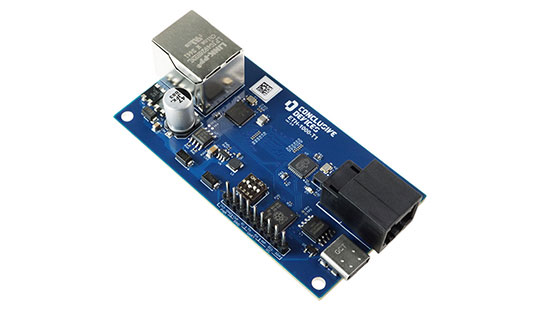
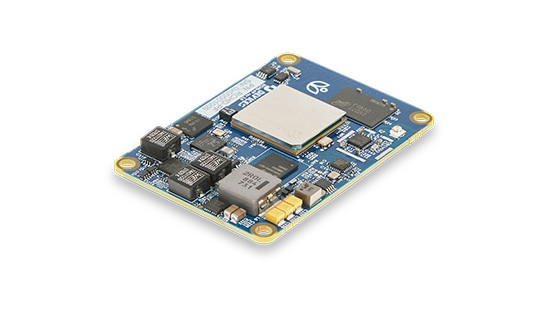
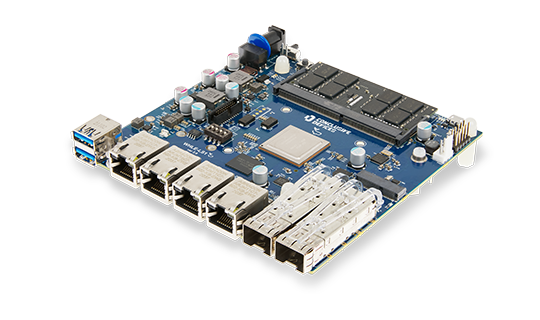
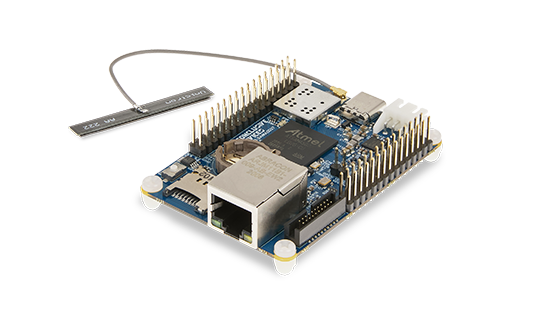
An IoT (Internet of Things) device is a physical object embedded with sensors, software, processing capability, and connectivity that enables it to collect, exchange, and act on data over a network. These devices range from simple temperature sensors to complex industrial machines integrated into cloud platforms.
In modern embedded systems and product development, IoT devices are foundational. They enable real-time monitoring, automation, predictive maintenance, and data-driven decision-making across industries such as automotive, healthcare, industrial automation, and consumer electronics. For engineering teams, understanding IoT devices is not just about connectivity. It’s about designing reliable, secure, and scalable systems that operate in real-world environments.
IoT Development with Conclusive Engineering
Discover our IoT development servicesTechnical Explanation: How IoT Devices Work
At a technical level, an IoT device consists of several core components working together:
1. Hardware Layer
- Microcontroller (MCU) or Microprocessor (MPU) - Executes firmware logic
- Sensors and actuators - Capture environmental data or perform actions
- Connectivity modules - Wi-Fi, Bluetooth, LTE, LoRa, Zigbee, etc.
- Power system - Battery, energy harvesting, or wired supply
2. Firmware / Embedded Software
Firmware controls:
- Sensor data acquisition
- Communication protocols (MQTT, CoAP, HTTP)
- Local decision-making (edge logic)
- Power management
This is where firmware development plays a critical role in optimizing performance, reliability, and energy consumption.
3. Connectivity Layer
IoT devices transmit data via:
- Short-range: BLE, Zigbee
- Long-range: cellular (LTE-M, NB-IoT), LoRaWAN
- Wired: Ethernet, CAN (common in automotive)
Protocol selection impacts latency, power usage, and scalability.
4. Cloud / Edge Integration
Devices connect to:
- Cloud platforms (AWS IoT, Azure IoT Hub)
- Edge gateways for local processing
This enables:
- Data storage and analytics
- Remote device management
- OTA (Over-the-Air) firmware updates
5. Data Processing & Control Loop
Typical flow:
- Sensor captures data
- Firmware processes or filters it
- Data is transmitted
- Cloud or edge system analyzes it
- Action is triggered (alert, automation, control signal)
Common Technical Challenges
Engineering IoT devices involves several non-trivial challenges:
- Power efficiency. Especially for battery-operated devices.
- Connectivity reliability. Handling intermittent networks.
- Security. Encryption, authentication, secure boot.
- Scalability. Managing thousands or millions of devices.
- Firmware updates. Safe OTA mechanisms.
- Hardware constraints. Limited memory and computing.
These constraints make IoT development fundamentally different from traditional software engineering.
Applications & Industry Relevance
IoT devices are deeply embedded across multiple industries:
Industrial Automation
- Predictive maintenance sensors on machinery
- Vibration and temperature monitoring
- Smart factory systems
Example: A motor with embedded IoT sensors can detect anomalies and prevent costly downtime.
Automotive
- Telematics control units (TCUs)
- Vehicle-to-everything (V2X) communication
- Battery monitoring in EVs
IoT devices enable connected vehicles, fleet tracking, and diagnostics.
Healthcare & Medical Devices
- Wearables (heart rate, glucose monitoring)
- Remote patient monitoring systems
- Smart infusion pumps
These medical devices must meet strict regulatory and safety standards.
Consumer Electronics
- Smart home devices (thermostats, cameras)
- Wearables (fitness trackers, smartwatches)
- Voice assistants
User experience and reliability are critical here.
Smart Infrastructure
- Smart meters (energy, water)
- Environmental monitoring
- Smart city traffic systems
These systems rely heavily on scalable and secure IoT architectures.
IoT Device vs Embedded Device
Understanding the distinction is important:
| Feature | IoT Device | Embedded Device |
|---|---|---|
| Connectivity | Always connected or network-capable | May be standalone |
| Data exchange | Sends/receives data externally | Often local processing only |
| Complexity | Higher (cloud + firmware + networking) | Lower to moderate |
| Example | Smart thermostat | Microwave controller |
Key takeaway: All IoT devices are embedded systems, but not all embedded systems are IoT devices.
Best Practices for Designing IoT Devices
1. Design for Reliability First
- Handle network failures gracefully
- Implement watchdog timers
- Use fail-safe states
2. Optimize Power Consumption
- Use sleep modes aggressively
- Minimize radio usage
- Choose efficient hardware
3. Build Secure by Default
- Secure boot and firmware signing
- Encrypted communication (TLS)
- Device identity management
4. Plan for OTA Updates
- Dual-bank firmware
- Rollback mechanisms
- Version control
5. Modular Architecture
- Separate hardware abstraction layers
- Decouple communication stacks
- Enable reuse across products
6. Test in Real Conditions
- Environmental stress testing
- Network variability
- Long-term reliability
Common Mistakes in IoT Development
- Ignoring security until late-stage development.
- Overlooking power consumption early in design.
- Using the wrong communication protocol.
- Not planning firmware update strategies.
- Tight coupling between hardware and software.
- Lack of observability (no logging/diagnostics).
FAQs About IoT Devices
What qualifies as an IoT device?
Any physical object with embedded computing and network connectivity that can send or receive data.
Are smartphones IoT devices?
Not typically. While connected, they are general-purpose computing devices rather than purpose-built embedded systems.
What is the difference between IoT and edge computing?
- IoT refers to connected devices
- Edge computing refers to processing data locally near the device
They often work together.
What protocols do IoT devices use?
Common protocols include:
- MQTT
- CoAP
- HTTP/HTTPS
- WebSockets
How are IoT devices powered?
- Batteries (primary or rechargeable)
- Wired power
- Energy harvesting (solar, kinetic)
Conclusion
IoT devices are at the core of modern connected systems, bridging the physical and digital worlds. They combine embedded hardware, firmware, connectivity, and cloud integration into a cohesive system that enables real-time data exchange and intelligent automation.
For engineering teams, the real challenge lies not in connecting devices but in building systems that are secure, scalable, power-efficient, and reliable under real-world conditions. This requires deep expertise across firmware development, hardware design, and system architecture.
At Conclusive Engineering, designing robust IoT devices means addressing the full lifecycle, from hardware and firmware to connectivity and deployment, ensuring products perform reliably in demanding environments.