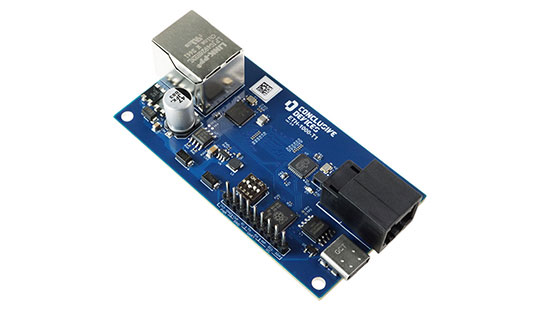
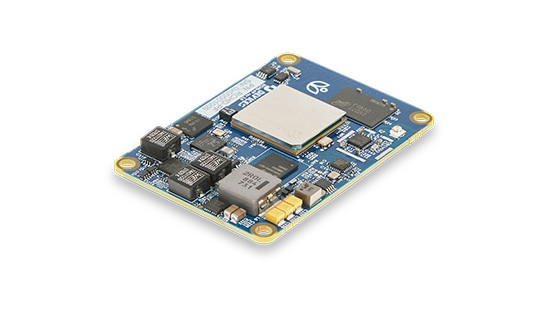
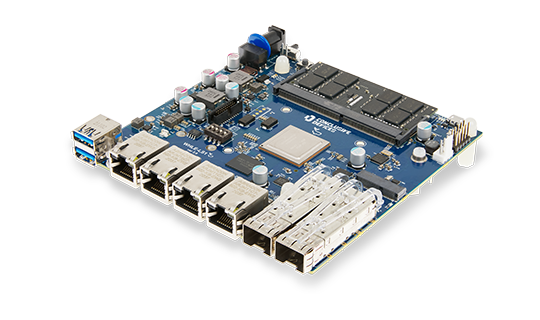
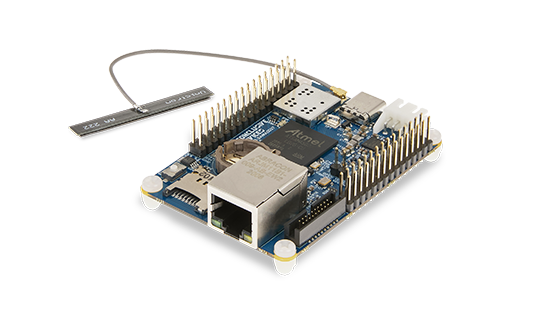
Embedded systems programming is the discipline of writing software that runs directly on specialized hardware - typically microcontrollers, sensors, and constrained computing platforms. Unlike general-purpose application development, embedded programming interacts intimately with physical components, real-time constraints, and strict reliability requirements. It shapes everything from consumer electronics and industrial machinery to connected medical devices and automotive control units.
Technical Explanation: How Embedded Systems Programming Works
1. Hardware-Centric Development
Embedded code typically runs on microcontrollers (MCUs), real-time processors, or SoCs. Engineers must understand:
- Memory maps (flash, SRAM, EEPROM)
- Clock systems and timers
- Interrupt controllers
- Bus interfaces such as I²C, SPI, CAN, and UART
- Power domains and low-power modes
The software must be optimized for the exact capabilities and limitations of the hardware platform. There is rarely the luxury of excess memory or CPU cycles.
2. Low-Level Languages and Toolchains
Most embedded systems are developed using C or C++, with occasional assembly for highly optimized routines. Toolchains vary by vendor and include:
- GCC-based toolchains (ARM GCC)
- Vendor-specific IDEs (STM32CubeIDE, MPLAB X)
- Cross-compilers and linkers
- On-chip debugging tools (JTAG, SWD)
Because embedded systems are cross-compiled, developers rarely execute code natively on their workstation.
3. Real-Time Constraints
Many systems must meet deterministic timing requirements due to physical interactions (e.g., motor control, sensor sampling). Developers use:
- Bare-metal loops
- Real-Time Operating Systems (RTOS) such as FreeRTOS or Zephyr
- Interrupt-driven scheduling
- Hardware timers and watchdogs
Missed deadlines may result in system failure or safety hazards.
4. Resource Management
Memory is measured in kilobytes, not gigabytes. Programmers must carefully handle:
- Static allocation vs. dynamic allocation
- Stack usage
- Peripheral initialization
- Power consumption patterns
- Bootloader design and OTA update mechanisms
5. Safety, Testing, and Certification
Industries like automotive (ISO 26262), medical (IEC 62304), and aviation (DO-178C) mandate strict validation. Testing strategies include:
- Hardware-in-the-loop (HIL)
- Unit and integration testing on target
- Fault injection and robustness testing
- MISRA-C compliance
Applications & Industry Relevance
Internet of Things (IoT)
IoT devices (from smart thermostats to industrial sensors) depend on embedded code to manage connectivity (BLE, Wi-Fi, LoRaWAN), sleep cycles, and secure boot.
Automotive Systems
Modern vehicles contain dozens of ECUs. Embedded programming governs:
- Engine control
- Battery management systems (BMS)
- ADAS sensors
- In-vehicle networking (CAN, LIN, FlexRay)
Industrial Automation
PLC controllers, robotic systems, and predictive maintenance sensors rely on deterministic embedded code to ensure uptime and safety.
Medical Devices
Implantables, diagnostic equipment, and wearables require ultra-reliable, certifiable embedded firmware, often with long lifecycle support.
Consumer Electronics
Embedded systems drive everything from headphones and cameras to washing machines and gaming peripherals.
Embedded Systems Programming vs. General Software Development
| Aspect |
Embedded Programming |
General Software Development |
|---|---|---|
| Environment |
Resource-constrained devices |
High-performance computers |
| Languages |
Primarily C/C++, assembly |
Python, JavaScript, Java, etc. |
| Debugging |
JTAG/SWD, oscilloscopes |
IDEs, profilers |
| Deployment |
Flashed to hardware |
Packaged and distributed |
| Constraints |
Real-time, power, memory |
Few strict constraints |
|
Failure Impact |
Safety-critical |
Typically recoverable |
Bottom line: embedded systems programming requires deeper hardware awareness, stricter discipline, and a stronger focus on determinism and reliability.
Best Practices for Effective Embedded Systems Programming
1. Design for Reliability
- Use watchdog timers
- Avoid unnecessary dynamic memory
- Implement state machines with defined error states
2. Prioritize Maintainability
- Clean module boundaries
- Hardware abstraction layers (HALs)
- MISRA-C or CERT coding standards
3. Optimize for Power
- Use sleep modes effectively
- Batch sensor readings
- Optimize interrupt usage
4. Architect for Updatability
- Implement secure boot
- Add dual-bank OTA updates
- Use cryptographic signing
5. Test on Real Hardware Early and Often
- Validate timing behavior
- Simulate worst-case load
- Perform EMC and stress testing
Common Mistakes in Embedded Programming
- Ignoring hardware errata and undocumented behavior.
- Misconfigured clocks or peripherals leading to subtle timing issues.
- Overusing dynamic memory, causing fragmentation.
- Not planning for OTA or field updates.
- Insufficient attention to security, especially in IoT devices.
- Copy-pasting vendor examples without understanding implications.
FAQs About Embedded Systems Programming
What languages are most common?
C remains dominant due to predictability and efficiency. C++ is increasingly used for abstraction. Rust is emerging but less widespread in production.
Do embedded systems require an RTOS?
Not always. Simple devices often use bare-metal loops. RTOSes are used when multi-tasking or deterministic scheduling is needed.
How do you debug embedded software?
Developers rely on in-circuit debugging (JTAG/SWD), serial logs, logic analyzers, and sometimes hardware simulators or emulators.
Is embedded programming hard?
It requires multidisciplinary knowledge (hardware, low-level software, timing analysis, and sometimes certification) but offers unparalleled control over system behavior.
Conclusion
Embedded systems programming sits at the heart of every modern electronic product. It demands precision, an understanding of hardware-software interaction, and careful attention to reliability, power, and safety. Whether building IoT devices, medical equipment, or industrial systems, high-quality embedded firmware determines product performance and lifecycle cost.
Conclusive Engineering supports companies through expert firmware development, hardware design, and end-to-end embedded product engineering - helping teams deliver robust, scalable, certifiable solutions with confidence.