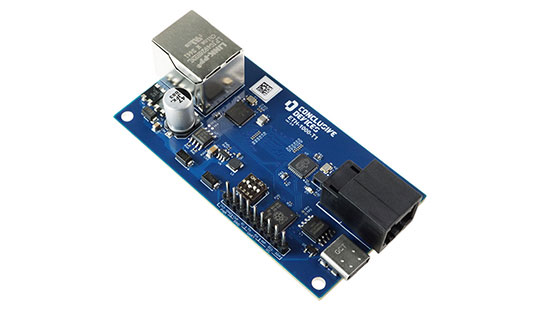
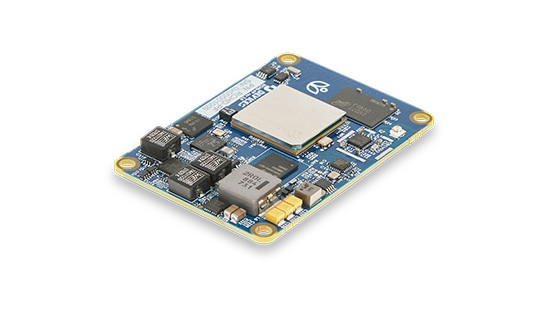
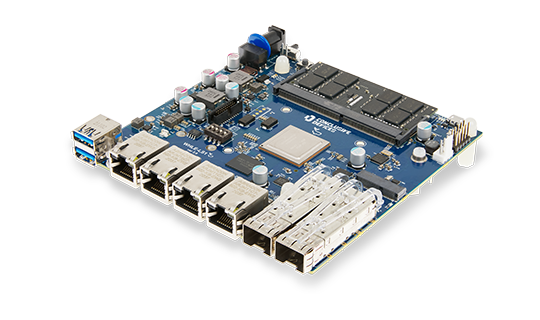
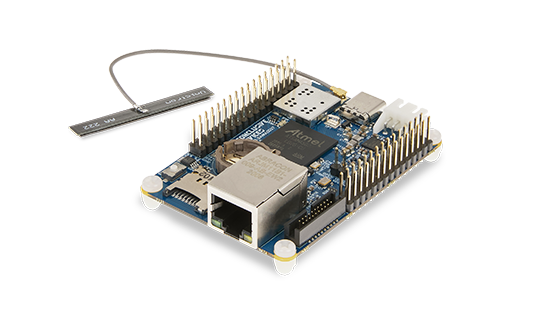
Embedded software is the invisible control layer that allows modern devices to sense, decide, and act in real time. Unlike general-purpose software, embedded software is tightly coupled to hardware, often operating under strict constraints related to timing, memory, power consumption, and safety. It is typically deployed on microcontrollers (MCUs), system-on-chips (SoCs), or application-specific processors and runs continuously for the lifetime of the device.
Understanding examples of devices running embedded software is essential for product teams designing reliable systems in automotive, industrial automation, IoT, medical, and consumer electronics. Each domain imposes different requirements, from hard real-time guarantees to functional safety or ultra-low power operation, which directly influence firmware architecture and tooling choices.
This article explores concrete, real-world device categories that rely on embedded software, explains how that software operates within system constraints, and highlights best practices engineers use to build robust embedded products at scale.
What Is Embedded Software and How Does It Work?
Embedded software is purpose-built code that controls dedicated hardware to perform a specific function. It typically runs without a traditional operating system interface and interacts directly with peripherals such as sensors, actuators, communication buses, and displays.
Key characteristics
- Deterministic behavior: Many systems must respond within guaranteed time bounds.
- Resource constraints: Limited RAM, flash, and CPU cycles.
- Hardware proximity: Direct register access and interrupt-driven execution.
- Long lifecycle: Devices may operate for 10–20 years with limited update windows.
In simpler systems, embedded software runs on bare metal using a superloop architecture. More complex devices rely on a real-time operating system (RTOS) to manage concurrency, scheduling, and inter-task communication. In high-end systems, embedded Linux is used when networking, UI, or update mechanisms are required.
Examples of Devices Running Embedded Software
Automotive Control Units (ECUs)
Modern vehicles contain 70–150 ECUs, each running specialized embedded software. These units control everything from engine timing to braking and driver assistance systems.
Examples:
- Engine Control Unit (ECU)
- Transmission Control Module (TCM)
- Airbag Control Unit
- Advanced Driver Assistance Systems (ADAS) controllers
Embedded software responsibilities:
- Real-time sensor processing (CAN, LIN, FlexRay)
- Closed-loop control algorithms
- Compliance with ISO 26262 functional safety standards
These systems typically run AUTOSAR-based firmware or safety-certified RTOSes, where timing predictability is non-negotiable.
Industrial Automation Equipment
Factories rely heavily on embedded software for deterministic control and fault tolerance.
Examples:
- Programmable Logic Controllers (PLCs)
- Variable Frequency Drives (VFDs)
- Industrial robots and motion controllers
- SCADA field devices
Key requirements:
- Hard real-time performance
- High availability and fault recovery
- Long-term maintainability
Embedded software in these devices manages fieldbus communication (PROFINET, EtherCAT), executes control loops, and ensures safe shutdown in failure scenarios. Firmware updates must be carefully managed to avoid production downtime.
Medical Devices
Medical devices run embedded software under strict regulatory oversight. Failures are not just costly—they can be life-threatening.
Examples:
- Infusion pumps
- Patient monitors
- Ventilators
- Imaging equipment subsystems
Embedded software challenges:
- Compliance with IEC 62304
- Traceability and validation
- Redundant safety mechanisms
Many medical devices use RTOS-based architectures with extensive self-diagnostics and watchdog systems to detect and mitigate faults in real time.
Read also: Development of a Modern Dental Chair Control Board with IoT Capabilities
IoT and Edge Devices
IoT devices are among the most common examples of devices running embedded software today, often deployed in massive volumes.
Examples:
- Smart thermostats
- Environmental sensors
- Asset trackers
- Smart meters
Embedded software focus areas:
- Low power consumption
- Wireless connectivity (BLE, LoRaWAN, NB-IoT)
- Secure boot and OTA updates
Here, firmware must balance responsiveness with aggressive power management, often spending most of its time in deep sleep modes.
Consumer Electronics
Consumer devices rely on embedded software to deliver polished user experiences on constrained hardware.
Examples:
- Washing machines and dishwashers
- Smart TVs
- Wearables
- Digital cameras
Embedded software handles input processing, display control, motor driving, and connectivity. Unlike industrial systems, consumer products often require frequent updates and shorter development cycles.
Networking and Infrastructure Devices
Many devices that “feel” like IT equipment are, in fact, embedded systems.
Examples:
- Routers and switches
- Network firewalls
- Base stations
- Industrial gateways
These systems often run embedded Linux with custom drivers and real-time extensions. Firmware stability and security patching are critical, especially in telecom and critical infrastructure deployments.
Embedded Software vs General-Purpose Software
| Aspect | Embedded Software | General-Purpose Software |
| Hardware | Dedicated | Abstracted |
| Timing | Deterministic | Best-effort |
| Updates | Limited / controlled | Frequent |
| UI | Optional | Central |
| Failure tolerance | Very low | Often acceptable |
Understanding this distinction is essential when selecting tools, languages, and development processes for embedded devices
Best Practices for Embedded Software in Real Devices
Hardware-aware architecture
Firmware must be designed around hardware constraints, not abstract assumptions. Peripheral timing, DMA usage, and interrupt latency all matter.
Modular design
Separating hardware abstraction layers (HAL) from application logic improves portability and long-term maintainability.
Early testing on real hardware
Simulation helps, but many issues, such as timing jitter, EMI effects, and power behavior, only appear on physical boards.
Secure-by-design
Even simple embedded devices need:
- Secure boot
- Encrypted firmware updates
- Robust key management
These practices are core to professional firmware development and hardware design services in embedded product companies.
Common Mistakes in Embedded Devices
- Treating embedded firmware like desktop software.
- Ignoring worst-case execution timing.
- Underestimating update and maintenance complexity.
- Skipping hardware-software co-design.
- Overloading MCUs with features better suited for SoCs.
FAQ: Devices Running Embedded Software
Is embedded software always real-time?
No. Many systems are soft real-time or event-driven, but timing predictability is still important.
Do embedded devices always use an RTOS?
No. Simple devices often run bare metal. RTOSes are used when concurrency and timing guarantees are required.
Can embedded software be updated remotely?
Yes, but OTA updates must be carefully designed to avoid bricking devices or violating safety requirements.
Is embedded Linux still “embedded software”?
Yes. It is commonly used in higher-end embedded systems where networking, UI, or extensibility is needed.
Read also: Linux Operating System in Embedded Systems - Use Cases
Conclusion
From automotive controllers and industrial robots to medical devices and IoT sensors, embedded software is the foundation that enables modern hardware to function safely, efficiently, and reliably. These examples of devices running embedded software demonstrate how deeply firmware design is shaped by real-world constraints: timing, power, safety, and longevity.
Building robust embedded systems requires close alignment between hardware and software teams, deep domain knowledge, and disciplined engineering practices. At Conclusive Engineering, embedded development is approached as a system-level challenge, combining firmware expertise, hardware design, and long-term product thinking to deliver dependable devices that perform in the field for years.